
Tail Bone Pain
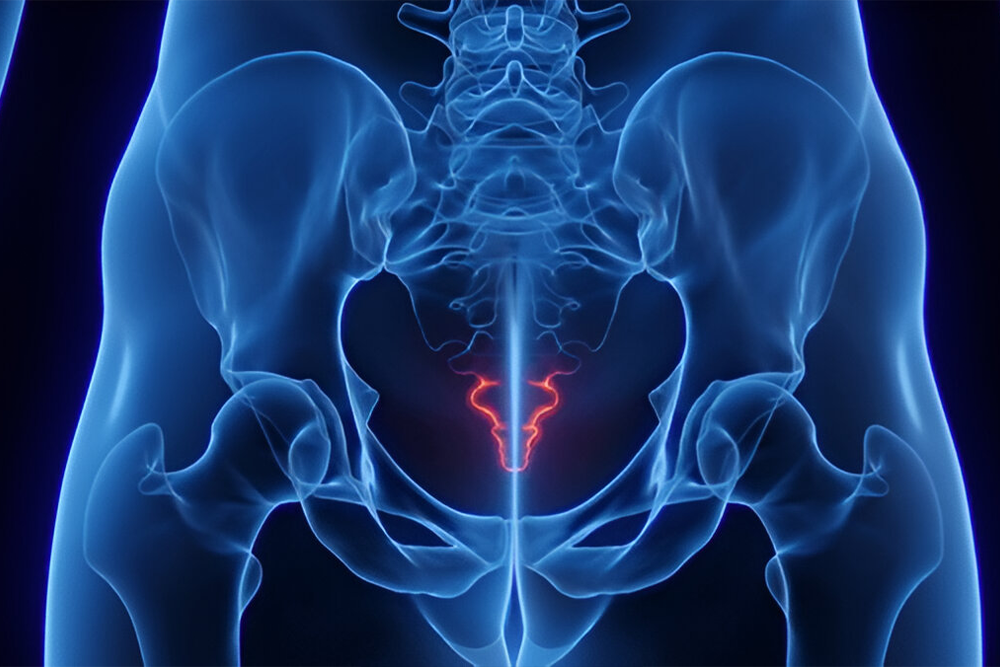
Tailbone pain, or coccydynia, is discomfort in the coccyx, the small triangular bone at the spine’s base. It can range from mild to severe, worsening when sitting or transitioning from sitting to standing, affecting daily activities.
Low Back Pain
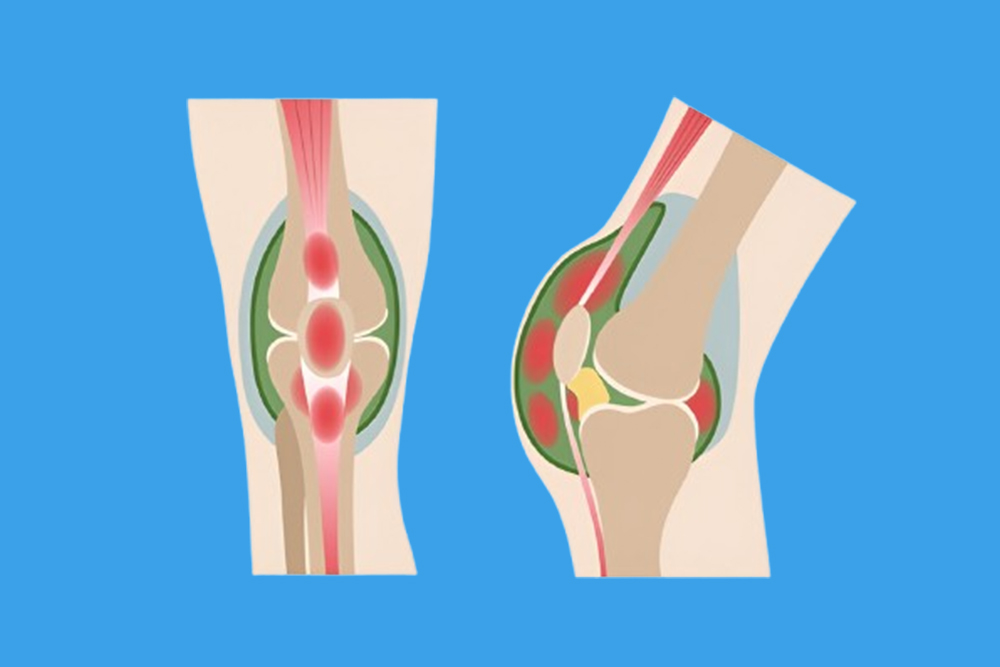
Low back pain (LBP) is a leading cause of disability worldwide. It can be acute, subacute, or chronic, lasting from days to months. The pain may be mechanical, related to movement, or neuropathic, caused by nerve irritation.
Sacroiliac Joint Dysfunction
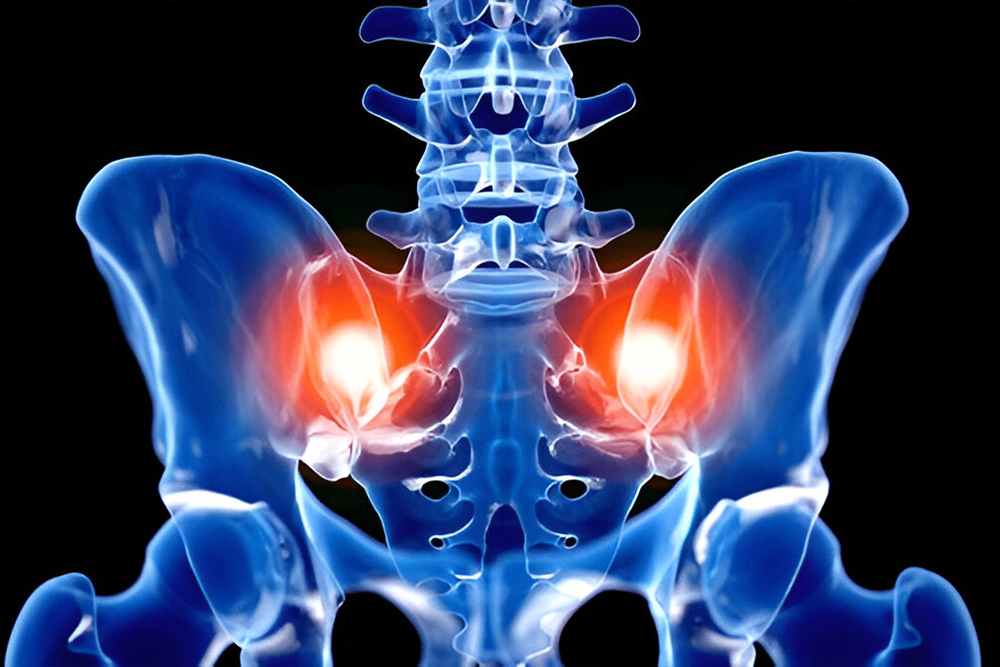
Sacroiliac joint dysfunction (SI joint pain) occurs when the sacroiliac joints, connecting the sacrum to the pelvis, become inflamed or misaligned, causing lower back, buttock, and leg pain, resembling sciatica.
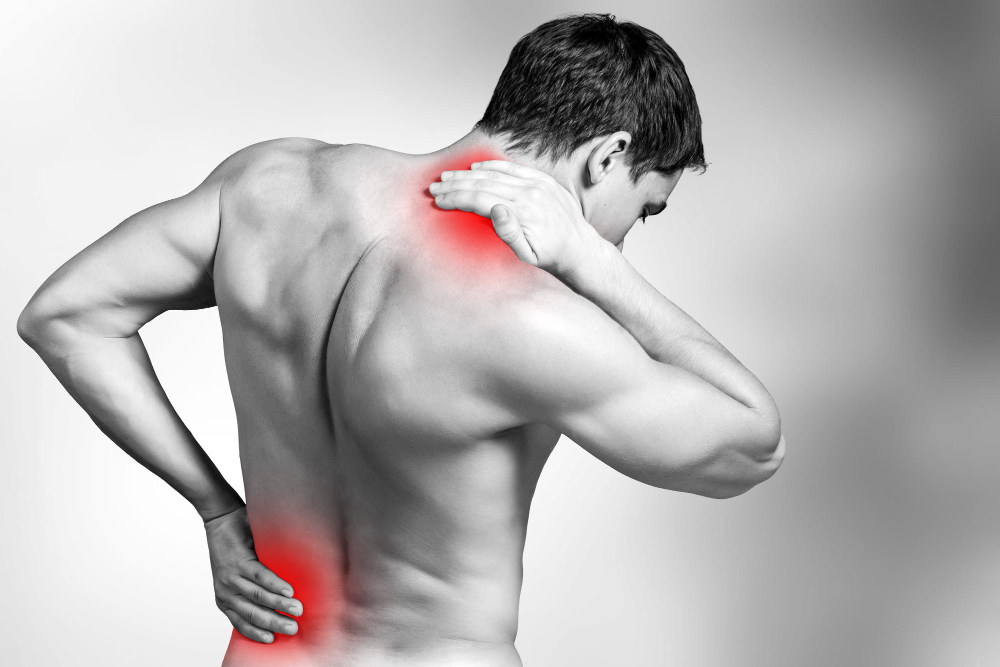
Spondylolisthesis
Spondylolisthesis is a spinal condition where one vertebra slips forward over the one below it. It can cause lower back pain, nerve compression, and reduced mobility, most commonly affecting the lumbar spine, particularly the L4-L5 or L5-S1 levels.
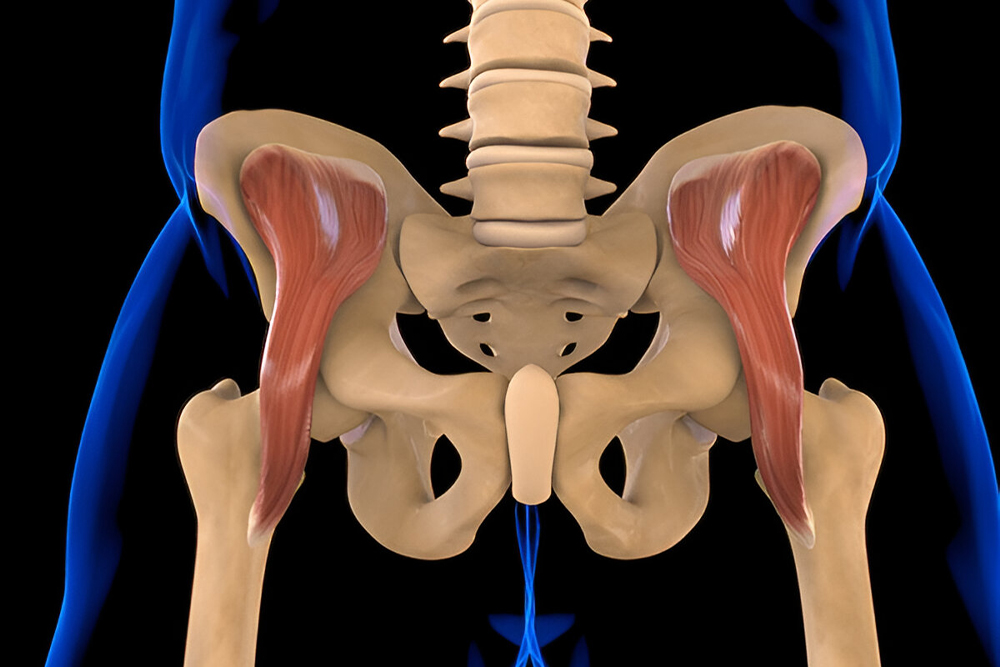
Piriformis Syndrome
Piriformis syndrome is a neuromuscular condition where the piriformis muscle in the buttocks compresses or irritates the sciatic nerve, causing pain, tingling, or numbness in the buttocks and leg. It mimics sciatica but originates from the muscle.
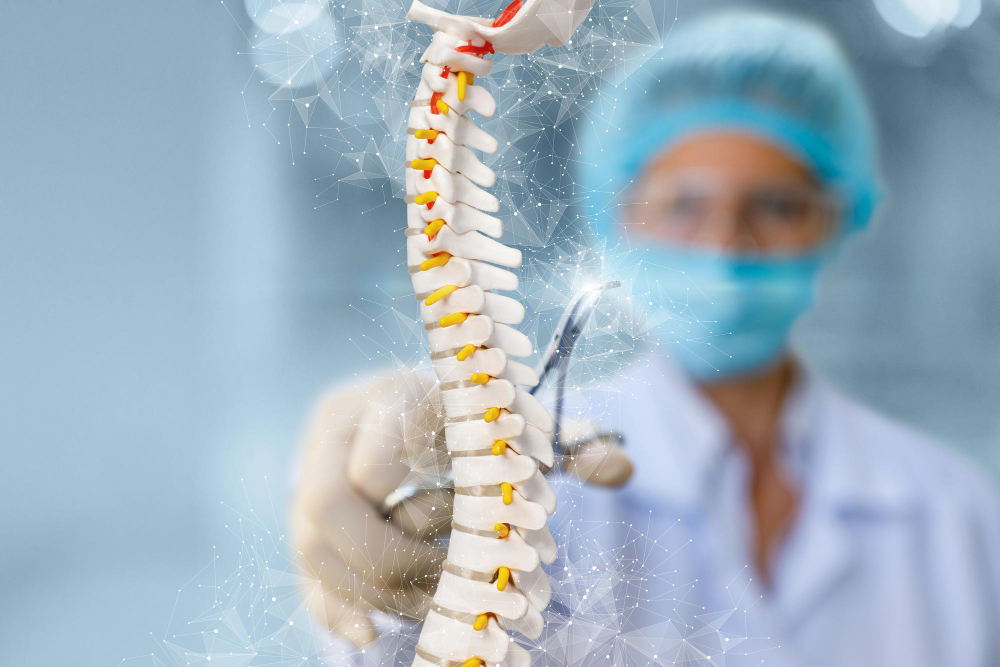
Spinal Stenosis
Spinal stenosis is a condition where the spinal canal narrows, putting pressure on the spinal cord and nerves. It commonly affects the neck (cervical stenosis) and lower back (lumbar stenosis), causing back and leg pain, especially in older adults.
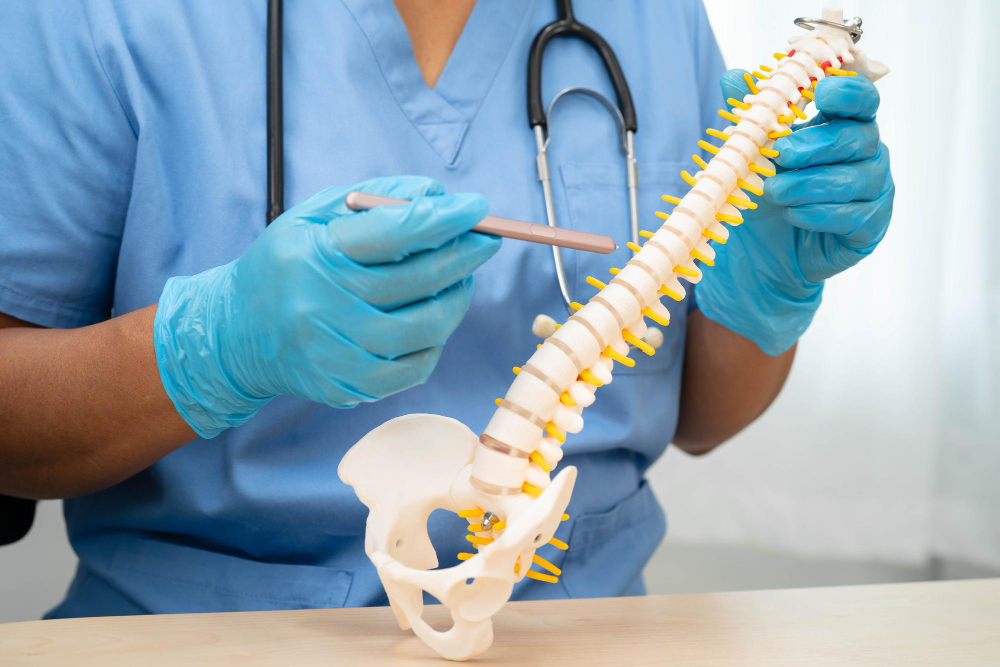
Scoliosis
Scoliosis is a condition where the spine curves sideways, forming an “S” or “C” shape. It can occur at any age but is most commonly diagnosed in children. In adults, it often results from age-related degeneration.
Herniated Discs
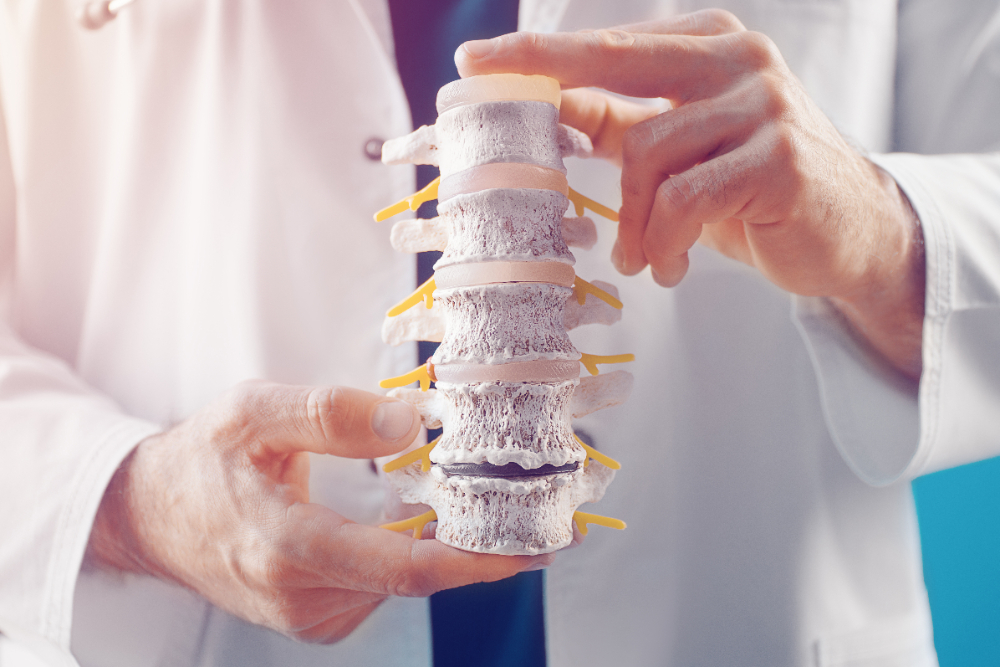
A herniated disc, or slipped disc, occurs when the soft inner material of a spinal disc pushes through a tear in the outer layer. It can irritate nerves, causing pain, numbness, or weakness, usually in the neck or lower back.
Degenerative Disc Disease
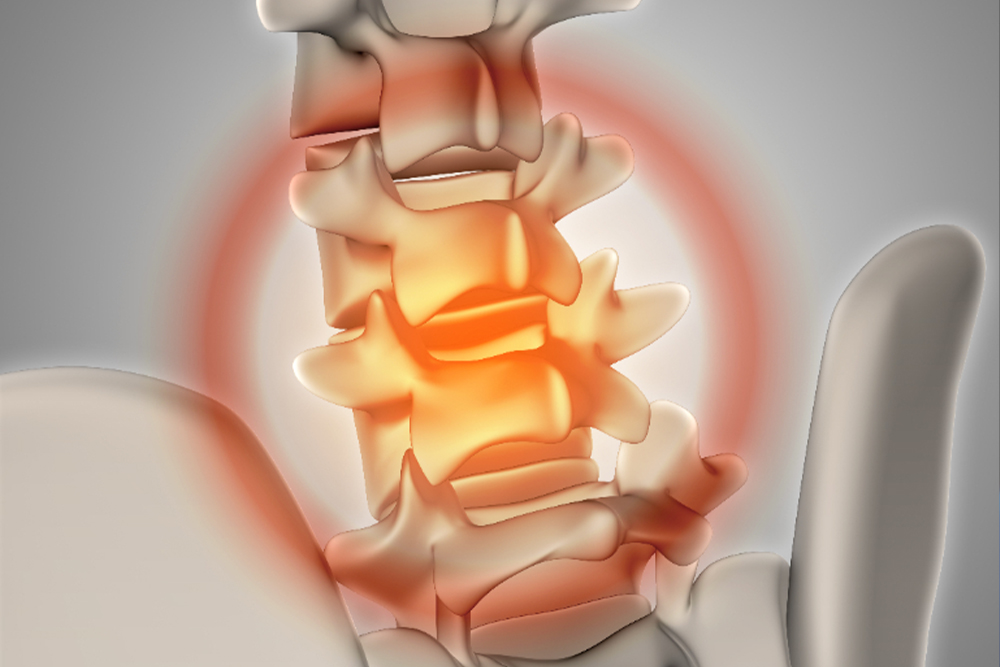
Degenerative Disc Disease (DDD) occurs when spinal discs lose hydration, flexibility, and cushioning over time, leading to pain and stiffness. It is a natural aging process, often affecting the neck and lower back.
Myofascial Pain Syndrome
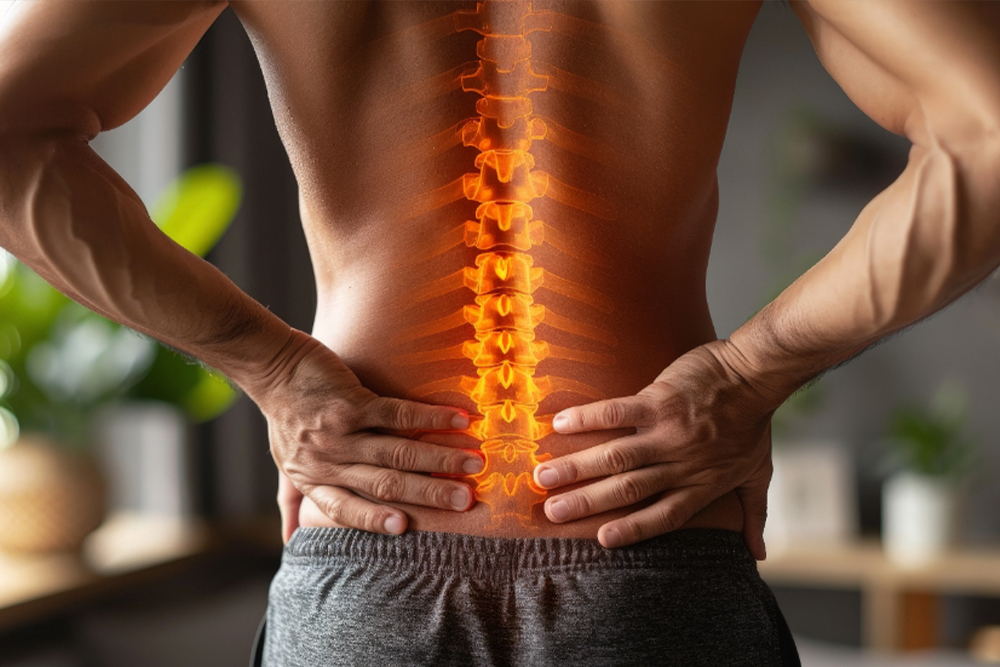
Myofascial Pain Syndrome (MPS) is a chronic pain disorder caused by trigger points—tight muscle knots leading to localized and referred pain. It is persistent, unlike general soreness, and can cause significant discomfort and mobility issues.
Facet Joint Syndrome
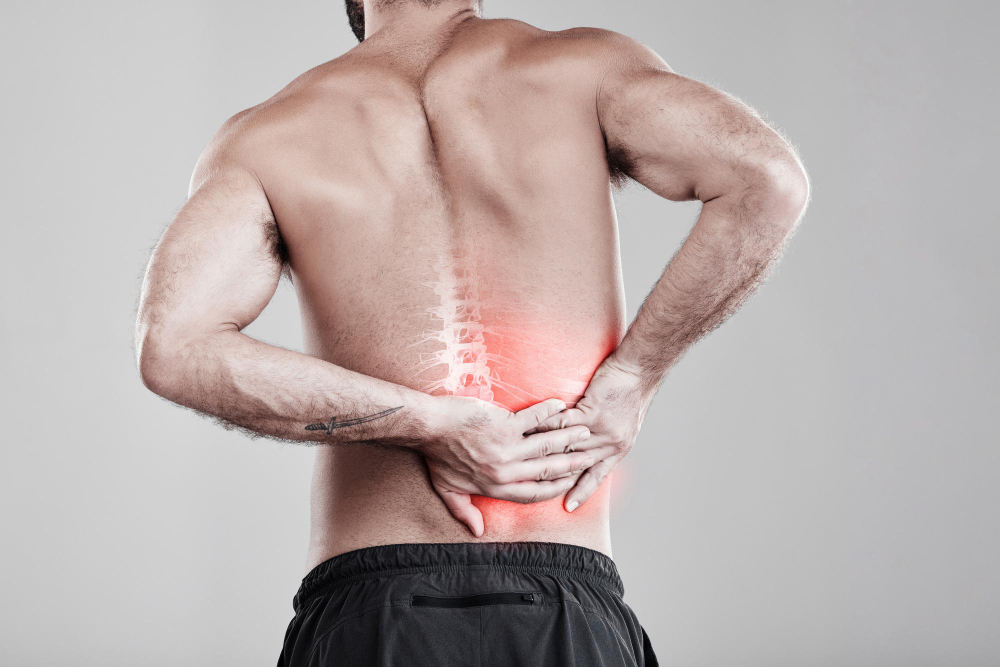
Facet Joint Syndrome occurs when the facet joints in the spine become inflamed, leading to pain, stiffness, and reduced mobility. These joints connect vertebrae and aid movement but can deteriorate with age, injury, or arthritis, causing chronic pain.
Post Laminectomy Syndrome
Post-Laminectomy Syndrome (PLS), also called Failed Back Surgery Syndrome (FBSS), is persistent or recurring pain after spinal surgery, especially laminectomy. Pain may result from nerve damage, scar tissue formation, or spinal instability despite surgical intervention.